Can I Use Euros in Morocco? Everything You Need to Know
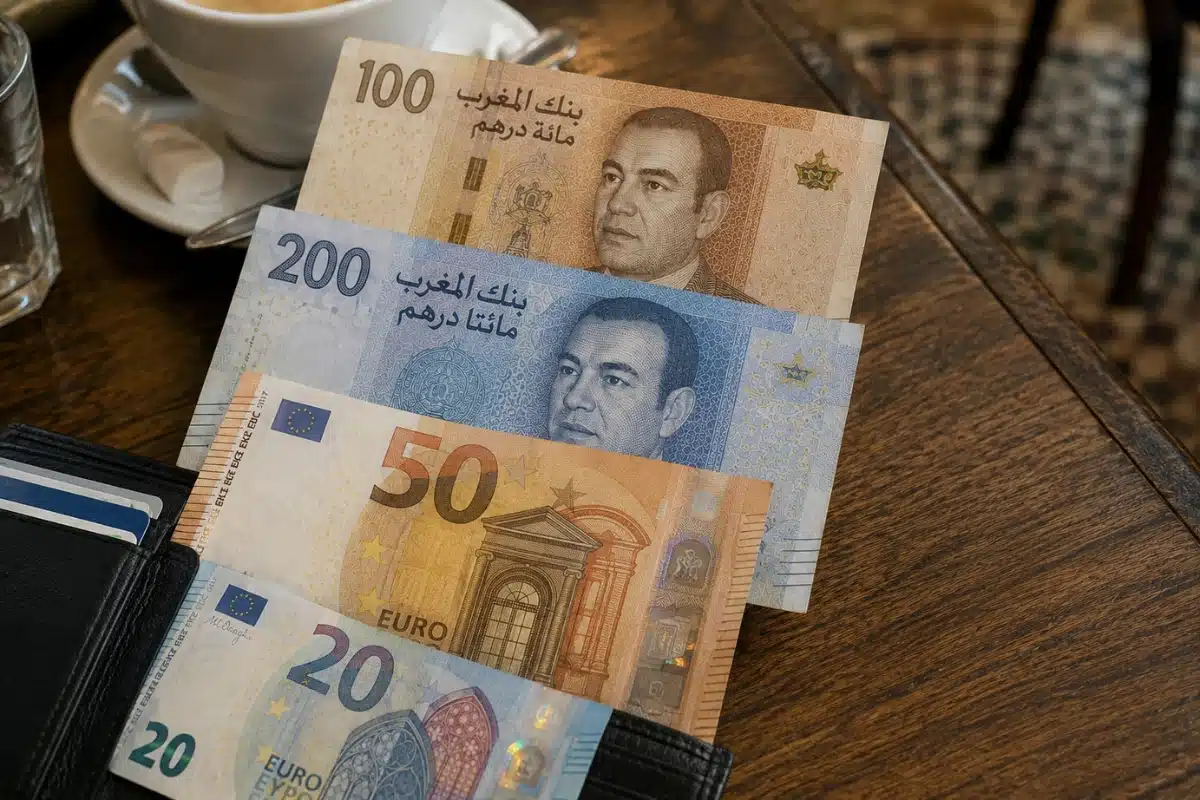
Can you use euros in Morocco? Sometimes, but not everywhere. The official currency is the Moroccan dirham (MAD). Some hotels, tour companies, and tourist shops may accept euros. Many cafés, taxis, markets, and small shops will not. Carry some dirhams for daily spending.
Many travelers expect euros to work like a second currency. In practice, they work only in certain places, and the exchange rate is often not in your favor. Cards help in larger businesses but not everywhere.
This guide explains how money works in Morocco. You will learn where euros may be accepted, how to exchange money, how ATMs and cards work, and how to avoid common money mistakes.
Table of Contents
What Is the Official Currency of Morocco?
The Moroccan dirham is the official Morocco currency. Its code is MAD, and you may see it written as “DH” or “Dhs” on price tags and menus.
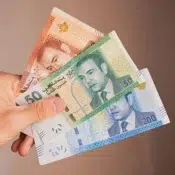
Dirhams come as banknotes and coins. Banknotes are commonly seen in values such as 20, 50, 100, and 200 dirhams. Coins are used for smaller amounts, including 1, 2, 5, and 10 dirhams, plus smaller centime coins. Notes and coins can change over time, so check the current designs on the website of Bank Al-Maghrib, Morocco’s central bank, before you travel.
It helps to learn the notes before you arrive. Prices in shops, restaurants, and taxis are almost always shown in dirhams. If you know the notes, you can pay faster and spot mistakes more easily. This matters most in busy places, where change can be handed back quickly.
Where Can You Pay with Euros in Morocco?
Euro acceptance depends on the business and the location. Some places welcome euros. Others only take dirhams. Never assume your euros will work, and ask before you order or buy.
Hotels and riads. In popular tourist cities, some hotels and riads accept euros, especially for room payments or extras. Many prefer cards or dirhams, and policies differ from one property to another. Confirm the payment method when you book.
Tour companies and private tour providers. Some tour providers quote prices in euros and accept euros as payment. Others quote in dirhams. Always ask which currency applies and what the price includes. Also ask whether you can pay by card or only in cash.
Souvenir shops and tourist-area businesses. Some shops in busy tourist areas may take euros. The seller usually chooses the exchange rate. That rate may be less favorable than the rate you would get at a bank or exchange office.
Restaurants, cafés, and local shops. Larger restaurants in tourist areas may accept euros or cards. Small cafés, local restaurants, bakeries, and neighborhood shops usually expect dirhams. Euros are less likely to be accepted in these places.
Small villages and remote areas. Outside the main cities, cash in dirhams is usually the safest option. Villages, small roadside stops, and rural areas may have no card machines or ATMs nearby. This includes many places around the Sahara Desert, where you should bring enough dirhams before leaving town.
In every case, a business that accepts euros will set its own rate. The convenience may cost you more than paying in dirhams.
Should You Exchange Euros for Moroccan Dirhams?
For most travelers, yes. Exchanging some euros for dirhams is usually the practical choice. You do not need to exchange everything at once. You can exchange money as you need it.
Dirhams help you in several situations:
- Everyday purchases: Water, snacks, coffee, and public transport are normally priced in dirhams.
- Traditional markets: Sellers in souks are used to dirhams, and bargaining is easier when you think in the local currency.
- Small services: Luggage help, toilets, parking attendants, and similar services are usually paid in small cash amounts.
- Places without cards or euros: In small towns and rural areas, dirhams may be your only option.
- Avoiding poor rates: When you pay in dirhams, you avoid a seller’s own euro rate.
Before you exchange money, check the current exchange rate online. Rates change daily, so use a recent figure as your guide. Then compare it with what you are offered.
Where Can You Exchange Money in Morocco?
Currency exchange in Morocco is possible in several places. Under Moroccan rules, foreign currency should be exchanged through banks or establishments authorized to do manual currency exchange.
- Banks: Banks are a reliable option, with clear procedures. Opening hours and queues may be less convenient, especially on weekends.
- Authorized exchange offices: These are common in cities and tourist areas and often have longer hours. Check that the office is a legitimate, licensed business.
- Airport exchange counters: These are convenient when you land, so they suit a small first exchange. Rates and commissions may differ from those in the city, so compare when you can.
- Other legitimate services: Some places have exchange machines or services linked to banks. Availability varies by location.
Convenience, fees, and rates can all differ from one provider to the next. No single place always gives the best rate. Ask about commissions before you hand over your money. Avoid exchanging with people on the street.
Ask for your receipt and keep it. You may need it later if you want to change leftover dirhams back into euros.
Can You Use Your Bank Card in Morocco?
Yes, in many places. Using credit cards in Morocco is usually possible in larger hotels, established restaurants, supermarkets, and some shops. Card use is less common in small shops, traditional markets, local taxis, and rural areas. Cash remains important.
ATMs in Morocco are common in cities and towns, and you can withdraw dirhams with many international cards. Not every ATM will accept every card, so try another machine if one fails. Use ATMs inside or next to banks when you can.
A few steps will save you trouble:
- Check that your card works abroad. Ask your bank whether it allows international payments and withdrawals.
- Tell your bank about your trip if your bank requires it.
- Ask about fees. The local ATM operator may charge a fee, and your home bank may add its own foreign transaction or withdrawal fees.
- Carry cash as a backup. A card can be blocked, or a machine can be out of order.
- Choose dirhams at the terminal. A payment machine or ATM may offer to charge you in euros or your home currency. This is often called dynamic currency conversion. It can look convenient, but the rate may be worse. When you have the choice, pay in Moroccan dirhams and let your own bank do the conversion.
Is It Better to Pay in Euros or Moroccan Dirhams?
Moroccan dirhams are generally the better choice for everyday spending. Euros can help in some tourist situations, but dirhams are more practical overall.
| Euros | Moroccan dirhams | |
|---|---|---|
| Official currency | No | Yes |
| Accepted widely | No, only by some tourist businesses | Yes |
| Exchange rate | Set by the business | Based on the bank or exchange rate you choose |
| Price clarity | Can be harder to compare | Matches menus and price tags |
Here is a simple example. The figures are for illustration only and are not current exchange rates. Imagine a fair rate of 1 euro = 10 dirhams. A scarf costs 200 dirhams. At that rate, you would pay 20 euros. If the seller accepts euros at their own rate of 1 euro = 9 dirhams, the same scarf costs about 22.20 euros. You pay more without noticing, and small differences add up across a trip.
Paying in dirhams also makes it easier to compare prices between shops and restaurants.
Do You Need Cash for Tips, Taxis, and Small Purchases?
Yes. Even if you plan to use a card, cash is still useful in Morocco. Payment methods vary by business and location, so do not expect every provider to follow the same rules.
Cash is often needed for:
- Small cafés and local restaurants
- Traditional markets and small shops
- Local taxis, since many drivers expect cash
- Tips for guides, drivers, and service staff
- Purchases in villages and remote areas
- Small personal costs during desert tours, such as drinks, snacks, or tips
Keep small notes and coins for these moments. It is easy to lose time if you only have a large note and the seller has no change.
Money Tips for Traveling Around Morocco
These Morocco travel money tips are simple to follow:
- Carry a reasonable amount of dirhams for daily expenses.
- Keep small notes and coins ready for taxis, tips, and snacks.
- Use authorized exchange services only.
- Check exchange rates and ask about fees before you exchange.
- Keep cash and bank cards in separate safe places.
- Confirm payment methods before booking accommodation or tours.
- Ask whether a quoted price is in dirhams or euros.
- Check what is included in a tour price before you pay.
- Keep exchange receipts if you may need them later.
- Avoid carrying more cash than you need.
Before you take cash into remote areas, such as for a desert trip, withdraw or exchange enough in a town with banks and ATMs.
Frequently Asked Questions About Using Euros in Morocco
Can I use euros in Morocco?
Sometimes. Some hotels, tour companies, and tourist shops accept euros, but the dirham is the official currency, and many places only take dirhams.
Do shops in Morocco accept euros?
Some shops in tourist areas do, but many do not. Shops that accept euros usually set their own exchange rate, so you may pay more.
Should I bring cash or a bank card to Morocco?
Bring both. A card helps in hotels, supermarkets, and larger restaurants. Cash helps in markets, taxis, small cafés, and rural areas.
Can I exchange euros for Moroccan dirhams at the airport?
Usually yes, and it is convenient on arrival. Rates and commissions may differ from banks or city exchange offices, so exchange a small amount first and compare later.
Can I use euros in Marrakech?
In some places, yes. Certain hotels, riads, and tourist businesses may accept euros. Markets, small cafés, and local shops generally expect dirhams.
Can I use euros in the Sahara Desert?
Do not count on it. Some tour providers may accept euros if you agree in advance, but small villages and desert stops usually need dirhams. Bring cash before you go.
Is it better to pay in euros or Moroccan dirhams?
Dirhams are usually better. They match local prices and help you avoid a business’s own euro rate.
Can I withdraw Moroccan dirhams from ATMs?
Yes, in many places, if your card works internationally. Check fees with your bank, and keep some cash in case a machine does not accept your card.
Can I change Moroccan dirhams back into euros before leaving Morocco?
Often, but rules apply. Authorized exchange providers can usually take back leftover dirhams from non-residents, but you may need your exchange receipt or ATM receipt as proof of where the dirhams came from. Limits and procedures can change, so check current rules with the Office des Changes or an authorized provider. Spend most of your dirhams before you leave.
Conclusion: What Currency Should You Use in Morocco?
Euros can be useful in some situations, especially with certain hotels, tour providers, and tourist businesses. But for daily spending, the Moroccan dirham is the best choice. It matches local prices, works almost everywhere, and helps you avoid unfavorable exchange rates.
The simplest plan is to combine cash with a bank card. Exchange or withdraw a sensible amount of dirhams, keep small notes handy, and use your card where it is accepted.
Ready to plan more of your trip? Explore our other Morocco travel guides for help with cities, transport, culture, and desert tours.
Recent Posts
Can I Use Euros in Morocco? Everything You Need to Know
Is 100 Dirham a Good Tip in Morocco? Morocco Tipping Guide